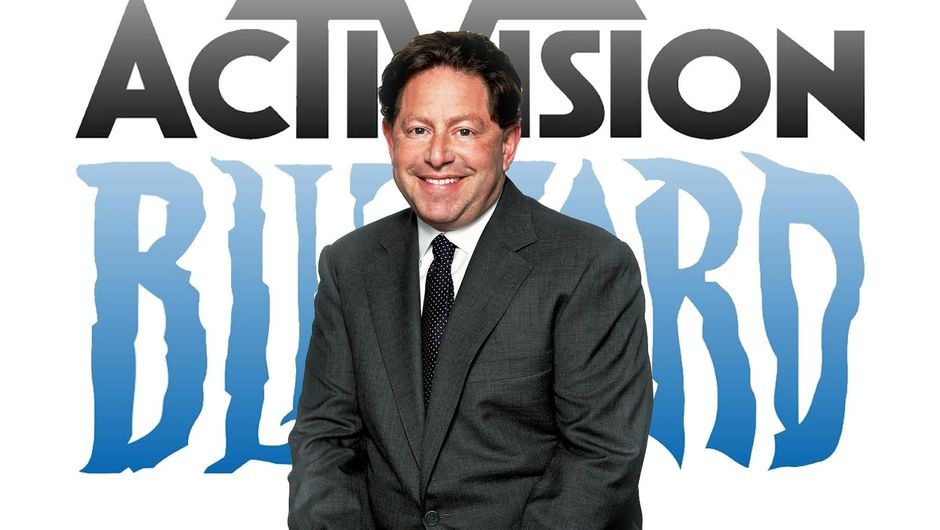
The Shareholder Value Creation Incentive clause was triggered by Activision Blizzard sustaining a 90-day stock price which more than doubled the average stock price during Quarter 4 of 2016, when Kotick’s last employment agreement went into effect. At the time, the company’s average stock price was around $38, requiring a sustained stock price of more than $77 over a three month period in order to trigger the incentive. While the stock price has climbed continually over the past five years, periodic dips have kept the incentive from being triggered. While some of the more recent success has been attributed to the global pandemic over the last year, during which that stock reached several all time highs, the incentive was not triggered until these last three months – a time in which the pandemic’s effect on online entertainment has been reported to be in decline.
ATVI’s stock has risen 178% since Kotick’s last employment agreement. The incentive effectively allocates additional shares of stock to the CEO, which are valued at around $200 million at the current market price.
While the $200 million bonus claimed by the CtW Investment Group is the result of additional shares being acquired rather than a direct cash bonus, this represents yet another round of arguments that CEOs are overpaid. With Activision Blizzard once again being vilified for laying off employees amid a pandemic which is also partially responsible for its recent success, the situation raises an ethical conundrum – said bonuses are the result of surging stock prices and not a result of or connected layoffs in any way, but the perception is interpreted as taking money away from employees in order to enrich CEOs.
Although Activision Blizzard’s recent initiatives in Call of Duty and other franchises have been wildly successful, not every part of the company has achieved the same (as evidenced by recent layoffs in esports), and the CtW has questioned whether Kotick should benefit from the global surge in online entertainment; Director of Executive Compensation Research Michael Varner said the following:
While the increase in Activision’s stock price is somewhat commendable, as we stated last year and continue to assert, this achievement alone does not justify such a substantial pay outcome for the CEO. There are many factors that may contribute to a rise in this particular company’s stock price that may not be directly attributable to Robert Kotick’s leadership. The use of video games as one of the few entertainment options available amid the COVID-19 pandemic, for example, has been a boon to many companies in the gaming industry irrespective of executive talent or strategic decisions.
The CtW Investment Group’s mission statement states that it “holds directors accountable for irresponsible and unethical corporate behavior by organizing workers’ capital into an effective voice for accountability and retirement security” and “We also support regulatory and shareholder initiatives to ensure independent and accountable directors, reasonable executive compensation, and sound environmental, human capital and other business policies.” They previously slammed Bobby Kotick’s incentive based salary, and levied similar complaints against EA executive pay.
Leave a Reply